top of page

17-11-03
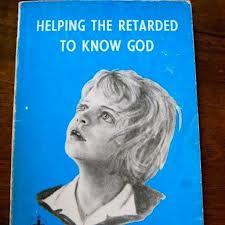
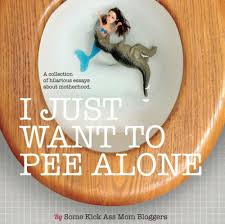
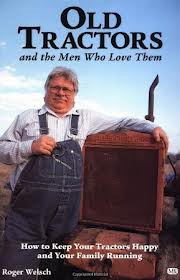
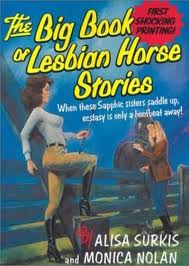
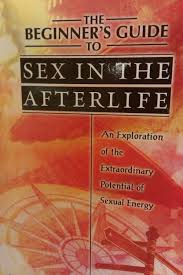
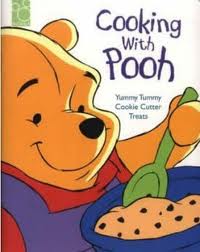
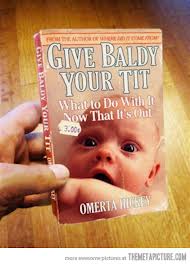
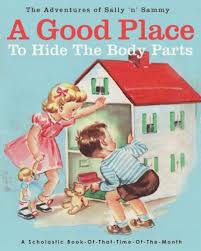
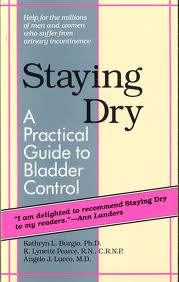
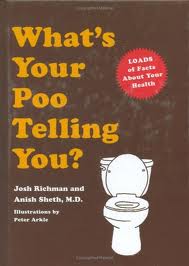
Bad book covers
Publishers and designers can make some real mistakes!
Written By
Publishers and designers can make some real mistakes!











What are publishers looking for this year?
Once again, we turn our attention to the publishing market and the trends shaping the upcoming cycle. For authors, understanding what readers are buying is invaluable—particularly in non-fiction, which must tap into the mood of the times. That said, a book can also spark a global trend, unleashing a new concept and capturing imaginations in unexpected ways. The “Let Them Theory,” for example, demonstrates the power of fresh ideas, amplified by podcasters, social media, and celebrity influence.
Should you plan or just write?
Should you plan a book? In my view, there is only one answer: yes. If you want to publish, writing with intent matters.
In non-fiction, planning is especially critical. You will know exactly what belongs in your book, how the chapters build, and what material sits where. That outline becomes your proposal and, later, your compass for the entire manuscript.
Many writers assume novels are different. They aren’t. In fiction, your plan becomes your plot.
Who is going to write this book?
YOU WANT TO FINISH? Stick to these rules
1. Set a deadline to start ... this means to stop plotting and planning and start writing. This means starting your story at page 1, and not turning back again.
2. Have targets that are outcomes-based not hours-based. Many writers say they will write for an hour a day. On my mentorships I set targets at 25,000 words a month.
3. Set a realistic deadline to complete your first draft of the book. Then stick to it. A good goal is to have your first draft
bottom of page


